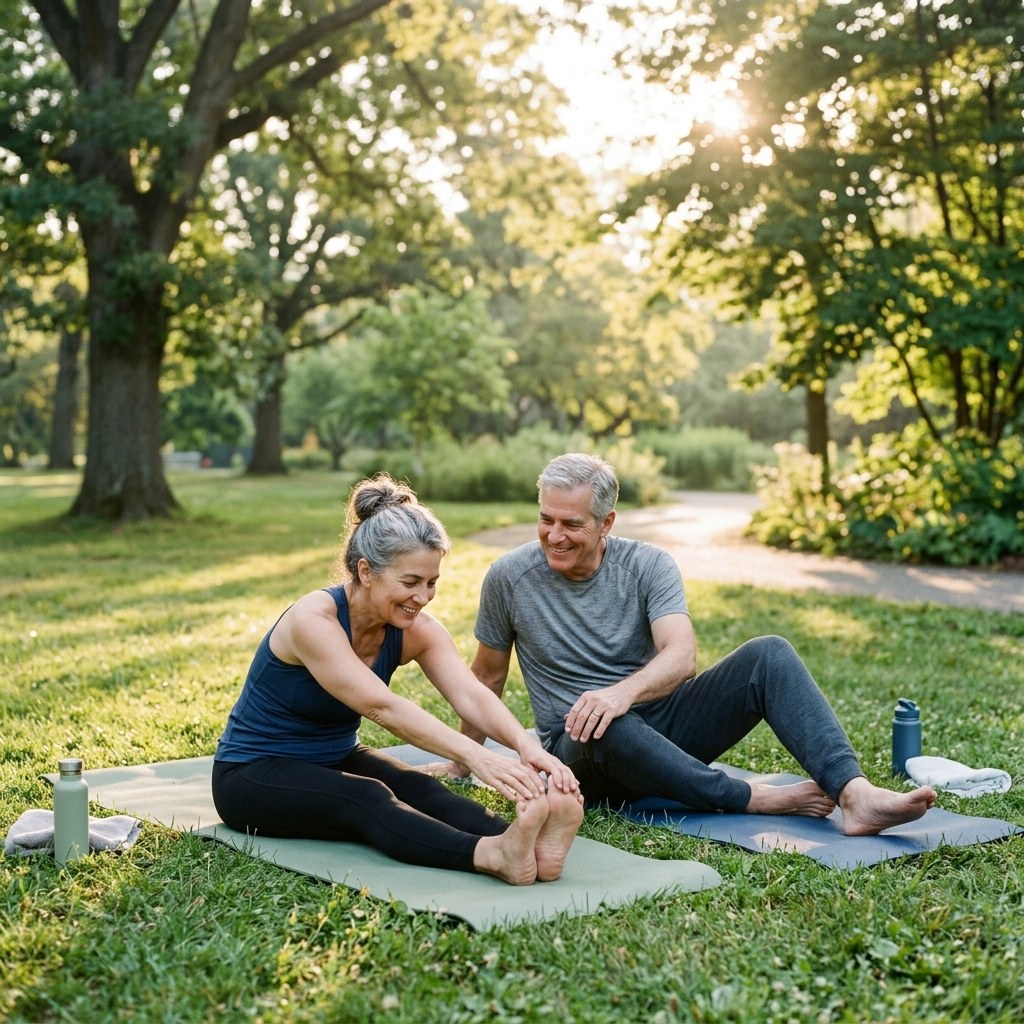
Something shifts in the conversation about physical activity after 50. The emphasis moves — or should move — away from performance metrics and toward something more meaningful: how you feel day to day, how reliably you can do the things you want to do, and how well you are maintaining the physical capacity that makes an independent, engaged life possible.
The research on physical activity and healthy aging is among the most consistent bodies of evidence in all of medicine. Staying active after 50 is associated with benefits across virtually every domain of physical and mental health. But the specifics of what "staying active" looks like at this stage of life differ from what worked at 30 or 40, and getting those specifics right matters.
Movement: Consistency Over Intensity
The single most important shift in how to think about exercise after 50 is the primacy of consistency over intensity. Research consistently shows that moderate, regular physical activity produces most of the health benefits associated with exercise — and that very high intensity workouts, while not harmful for those who are adapted to them, do not produce dramatically better outcomes than consistent moderate activity for most people in this age group.
Walking remains one of the most well-supported forms of exercise for adults over 50. It is low-impact, sustainable, socially adaptable (it can be done alone or with others), and accessible without equipment or gym memberships. Research on walking specifically has found associations with cardiovascular health, cognitive function, mood, and mobility maintenance. The standard benchmark of around 7,000 to 10,000 steps per day appears in multiple studies as a range associated with meaningful health benefits.
Strength training — even light resistance work — is increasingly recognized as important after 50 for reasons beyond fitness. Muscle mass naturally declines with age (a process called sarcopenia), and maintaining muscle through regular resistance exercise has implications for bone density, metabolic health, balance, and fall prevention. Twice-weekly resistance sessions using body weight, resistance bands, or light weights is a reasonable starting point for people who are new to this type of training.
Flexibility and balance work — yoga, tai chi, gentle stretching routines — address the physical qualities that tend to decline quietly with age and that are closely associated with quality of life and injury prevention. Many people who would not describe themselves as exercisers find these approaches more accessible and sustainable than more traditional gym-based fitness.
The Role of Comfort in Staying Active
One of the less-discussed but significant barriers to physical activity for adults over 50 is physical discomfort that makes movement less appealing. When hands, feet, or joints feel persistently uncomfortable, the motivation to walk, garden, or participate in activities that require movement naturally decreases.
This is a cycle worth recognizing and addressing directly: discomfort reduces activity, reduced activity tends to worsen the physical deconditioning that contributes to discomfort, and the cycle continues. Breaking it — through appropriate support for physical comfort, through gradual reintroduction of movement, and through consistency — is one of the most important things someone in this situation can do for their long-term wellbeing.
This is where a holistic approach to wellness becomes relevant. Adequate nutrition, including sufficient B vitamins and antioxidant support for nerve tissue, is part of maintaining the physical comfort that makes staying active feel achievable. Supplements are not a replacement for movement, but for some people, addressing nutritional gaps that may be affecting comfort can make the commitment to regular activity feel more accessible.
Sleep and Recovery After 50
Sleep changes with age in ways that affect both physical recovery and general wellbeing. Deep sleep — the stages most associated with physical repair and restoration — tends to decrease. Many adults over 50 also experience changes in sleep timing, waking earlier and feeling tired earlier in the evening.
Prioritizing sleep quality is among the most evidence-backed things a person can do for their overall health at this stage. Consistent sleep and wake times, a cool and dark sleeping environment, limiting screen exposure in the hour before bed, and moderating evening alcohol intake (which disrupts sleep architecture despite its reputation as a sleep aid) are all interventions supported by sleep research.
Physical activity itself improves sleep quality — another reason the cycle of movement and rest is mutually reinforcing. People who exercise regularly report better sleep quality, and better sleep improves recovery from physical activity and makes the motivation to stay active easier to maintain.
Nutrition as a Foundation
The nutritional principles for healthy aging are not dramatically different from good nutritional advice at any age, but the stakes become higher and some specific considerations become more relevant after 50.
Protein needs are often underestimated at this stage. Maintaining muscle mass requires adequate dietary protein, and research suggests that the protein needs for older adults may be higher than standard recommendations — particularly for people who are physically active. Distributing protein across meals (rather than concentrating it in one large meal) appears to be more effective for muscle protein synthesis than total daily intake alone.
Anti-inflammatory foods — fatty fish, olive oil, leafy greens, berries, nuts — are consistently associated with healthy aging outcomes in the research. The Mediterranean dietary pattern, which emphasizes these foods, has been studied extensively and is associated with positive outcomes across cardiovascular health, cognitive function, and longevity measures.
Hydration is often overlooked. The sensation of thirst becomes less reliable with age, and mild chronic dehydration is common among older adults. Adequate fluid intake affects energy levels, cognitive function, joint comfort, and kidney health. Water remains the best hydration source, with herbal teas a reasonable complement.
"The adults who maintain the best quality of life into their 70s and 80s are almost universally those who stayed consistently active, slept adequately, ate well, and stayed connected to other people. No single supplement or intervention replicates the combined effect of those fundamentals."
Social Connection and Mental Engagement
Physical health does not exist separately from mental and social wellbeing. The research on social isolation and healthy aging is sobering — chronic social isolation has health implications comparable in magnitude to those of smoking and physical inactivity. Maintaining meaningful social connections, engaging in activities that require mental effort, and having a sense of purpose and structure are all associated with better health outcomes and greater longevity.
For many people, physical activity is also social activity — walking groups, yoga classes, gardening clubs, sports leagues for adults. Finding forms of movement that happen in a social context adds a layer of benefit and accountability that makes consistency more likely.
A Practical Framework
The simplest summary of what research consistently supports for staying well after 50:
Move daily — walking is enough if it is consistent. Add resistance work twice a week if possible. Flexibility and balance work addresses the quiet decline in physical qualities that matters most for daily life.
Sleep deliberately — consistent schedule, dark and cool environment, limited screen time before bed. If sleep is chronically poor, this is worth discussing with a doctor rather than accepting as inevitable.
Eat with intention — adequate protein, anti-inflammatory foods, good hydration. Consider whether B12 and other nutritional gaps are being addressed, particularly if taking medications that affect absorption.
Stay connected — to people, to activities you find meaningful, to the world beyond your immediate environment.
Supplements can play a supporting role in this framework — particularly where age-related changes in absorption create genuine nutritional gaps. But they work best as a complement to these foundations, not as a shortcut around them.
Our Supplement Review: Supporting Nerve Comfort After 50
We reviewed a supplement formulated specifically to support nerve comfort in the hands, feet, and extremities. Read our full ingredient-by-ingredient analysis.
Read the Review →This article is for informational purposes only and does not constitute medical advice. Please consult a healthcare professional before making changes to your exercise routine, diet, or supplement regimen.